

Creating peak moments: reflections from SISO on value, culture and connection
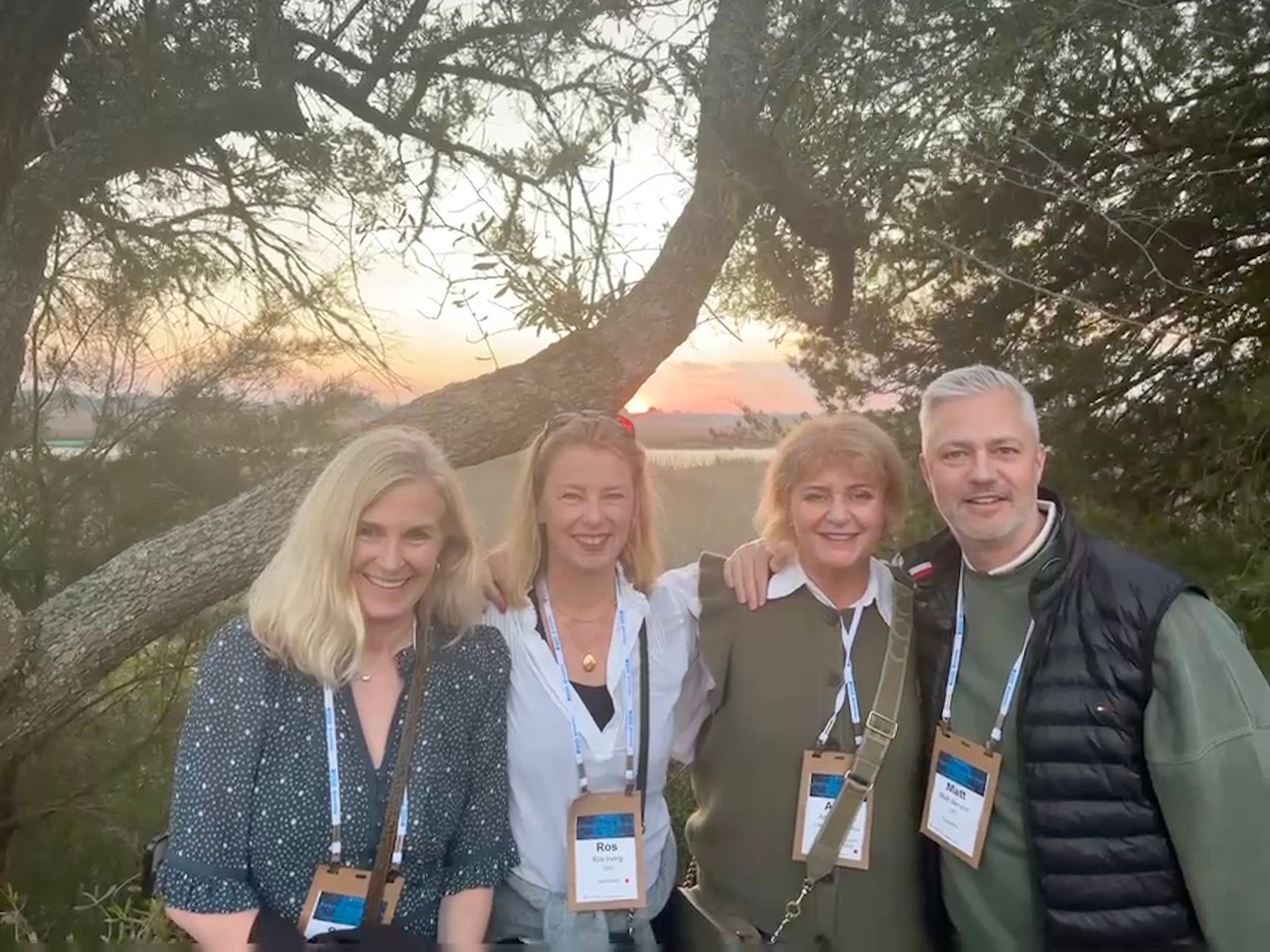
Great events create peak moments. They are the moments people remember because they feel personal, relevant and well-timed.
At the recent SISO event in South Carolina, one comment stayed with me: “Nobody catches a falling knife.” It is a simple observation, but it speaks to something broader about judgement, timing and the importance of making considered decisions.
Entrepreneurs, empathy and the human side of deals
Conversations with entrepreneurs powerfully highlighted that this industry is as much about people as it is about business.
Selling a business is more than a transaction - it’s a deeply personal moment, and the best buyers recognise this by approaching with empathy.
There was also a clear message on culture. Deals tend to fail due to misalignment in values and ways of working rather than the numbers themselves. Strategic fit goes beyond valuation, focusing on whether a business can truly be strengthened and grown.
Diversification came through strongly as well. There are no bad sectors, but there is risk in being too heavily weighted in one. Building balance over time matters more than chasing opportunity wherever it appears.
Entrepreneurs, at their core, want to build. That mindset is something that continues to shape the industry.
Launching: discipline over scale
Launching events remains one of the hardest things to do well.
The advice shared was grounded and practical. Start lean. Move quickly. Focus on revenue before infrastructure.
Great events succeed when they’re shaped around their audiences, with a focus on serving what the community truly needs rather than simply creating what you want.
Growth comes from replicating what works and adapting it intelligently across geographies, rather than constantly reinventing.
One point stood out in particular: launches demand your most experienced people, not junior teams. Experience, judgement, and resilience matter most when uncertainty is highest.
There was also an important honesty about failure. Not every launch will succeed, and knowing when to stop is not a discipline, not a weakness.
And throughout all of this, one thing remains consistent: face-to-face interaction is essential, particularly in the early stages of building something new.
AI, data and thinking bigger
There was an interesting reflection on how patient we were with the early days of the internet. Today, expectations are entirely different, shaped by a demand for immediacy and personalisation rather than gradual progress.
Events exist to create value through connections. Attendees come to buy and learn. Exhibitors come to sell.
Our role goes beyond simply bringing people together; it’s about enabling the right connections in the most effective way possible. That’s where data becomes critical.
Data is a core asset of events, with insights into behaviour, movement, and intent enabling better decisions and stronger outcomes.
The next generation is comfortable sharing data and expects clear value in return; when it enhances their experience, they’re willing participants.
The challenge for all of us is to not think too small about what is possible.
How brands view events: a portfolio mindset
Another theme that came through clearly is how large global brands now approach events.
It’s a portfolio approach, with different events serving different purposes rather than a one-size-fits-all model.
Some are focused on reaching targeted audiences. Others are about engaging partner ecosystems. Some are designed to influence market perception. Others are centred on brand and reputation.
This translates into a tiered approach. A small number of high-investment, strategic events. A broader group of medium investment opportunities. And a larger volume of lower investment, expected activity.
What is particularly important is how brands measure value.
An event is part of a longer journey rather than a single moment in time. Activation doesn’t just sit alongside sponsorship - it often outweighs it, with spend typically two to three times higher.
Events start long before the doors open, with pipeline development, outreach, and targeted engagement all happening in advance.
Equally, they do not end when the doors close. Follow up, lead scoring, content reuse and ongoing campaigns are where much of the value is realised.
From packages to partnerships
Perhaps the most consistent message of all is how expectations are shifting.
Sponsors want partnerships, not packages
The focus is on delivering outcomes rather than selling inventory, and on building long-term alignment instead of transactions.
This requires a different mindset from organisers. One that is more collaborative, more strategic and more focused on shared success.
Across all of these conversations at SISO, one theme connects everything.
Great events are defined by the quality of the connections they create, not by their scale.
And when those connections are done well, they create the kind of peak moments that stay with people long after the event itself.

