
WHAT COMES NEXT FOR GLOBAL EXHIBITIONS: INSIGHTS FROM THE AEO INTERNATIONAL CEO SUMMIT
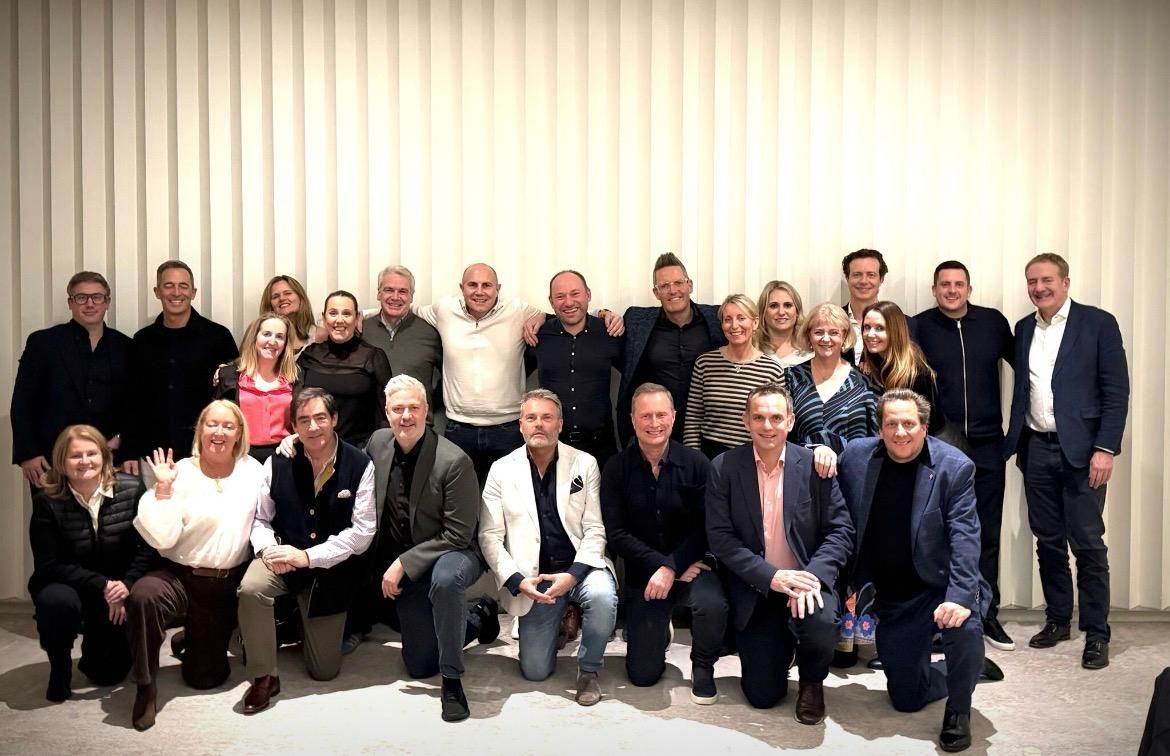
The AEO International CEO Summit returned at a moment of significant change for the global exhibitions industry.
Set against ongoing geopolitical tension, economic recalibration and structural shifts across international markets, senior leaders came together for a candid discussion on what lies ahead and how organisers should respond.
Chaired by Simon Foster, CEO of Arc Network and Chair of AEO’s International Working Group, the session explored the macroeconomic and geopolitical forces shaping the sector. Contributions from Hugh Jones, CEO of RX, alongside an international M&A outlook from Collingwood Advisory, grounded the discussion firmly in commercial reality.
The tone was pragmatic rather than pessimistic.
Economic environment: resilience with limits
The global economy continues to show resilience but remains finely balanced.
Growth across the US, UK and Europe has broadly met expectations, supported by AI-led investment in the US and renewed Chinese government stimulus. Inflation is easing and interest rates are beginning to fall, offering some relief to capital-intensive sectors such as exhibitions.
However, uncertainty remains elevated. US trade tariffs are now structurally higher and expected to have a delayed impact through 2026. The prevailing outlook is one of sideways growth rather than acceleration, placing greater emphasis on discipline, focus and operational resilience.
Political and geopolitical context: fragmentation is structural
The global landscape has shifted decisively away from the post-Cold War order.
Great-power rivalry, regional blocs and protectionist policies are now embedded features of the system. The US is increasingly inward-looking, China more assertive, and Europe under sustained political and economic pressure.
While nationalist parties continue to gain ground, experience suggests pragmatism often follows once in office, with Italy cited as a recent example. Defence spending is also emerging as a growth area across Europe, with implications for organisers operating in industrial, manufacturing and security-related sectors.
Looking ahead, 2026 is expected to be a pivotal year for UK–EU relations, with cautious optimism around a more pragmatic reset.
CEO perspective: focus, protection and AI as an enabler
From a public company standpoint, exhibition businesses are facing ongoing market volatility, short-term investor expectations and persistent talent challenges.
Strategic priorities are tightening. CEOs are increasingly focused on portfolio discipline, higher-margin verticals, geo-cloning proven formats and protecting proprietary brands and data. AI is viewed as a strategic enabler that supports insight, decision-making and scale, rather than a short-term cost-saving tool.
M&A outlook: selective and brand-led
M&A activity remains active, but highly disciplined.
Buyers are prioritising market-leading brands, strong repeat exhibitor communities and defensible verticals with long-term demand. Private equity continues to pursue bolt-on acquisitions and operational improvement strategies.
Industrial, manufacturing and defence-adjacent events are particularly attractive, reflecting wider macroeconomic and geopolitical trends.
Implications for AEO members
For organisers, the message is clear.
Opportunities for growth remain, but they are uneven, region-specific and increasingly competitive. Resilience, capital discipline and strategic focus are now essential.
In this environment, AEO’s role in insight-sharing, advocacy and peer connectivity becomes even more critical. As markets fragment, access to trusted intelligence and shared experience is a genuine competitive advantage.
Looking ahead
While uncertainty remains high, the Summit reinforced a consistent theme. Exhibitions businesses with strong brands, disciplined strategies and clear market positioning continue to find sustainable opportunities, both nationally and internationally.

